
This was interesting as it’s not uncommon to see a bunch of tax return software ads during tax season. Most people are also looking for the cheapest or free options available because this is often a time to get some money back. TurboTax is a very popular brands among consumers who often use the word “Free” a lot to entice people to use its products. That’s where the controversy lies it seems as the FTC is suing them over these practices.
According to the complaint filing, it would appear that they feel many consumers are often left with the impression that the product is free to use only to find out after that for a lot of situations they would have to pay. So it’s an argument on how it can be deceptive.
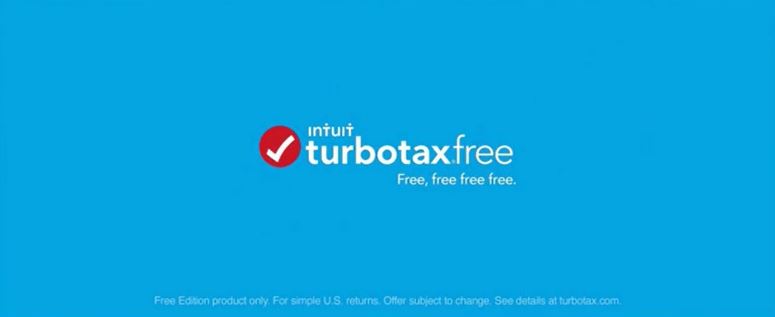
As the FTC says for one ad: “Depicted below is a copy of a screen displayed to consumers during commercials aired as part of the “Free, Free, Free, Free” campaign, which includes a fine print disclaimer that the free offer was available only to consumers with “simple U.S. returns.” What “simple” means can be a matter of interpretation, and Intuit’s definition of “simple” has changed over time. 39. While the above screen was shown to consumers during commercials, in at least some of Intuit’s commercials, an announcer said: “That’s right, TurboTax Free is free. Free, free free free.” The announcer did not read the fine print disclaimer that it is for the “Free Edition product only. For simple U.S. returns.” Intuit has never offered a product or service named only”
There are even times where they say the company doesn’t disclose enough such as saying the following:
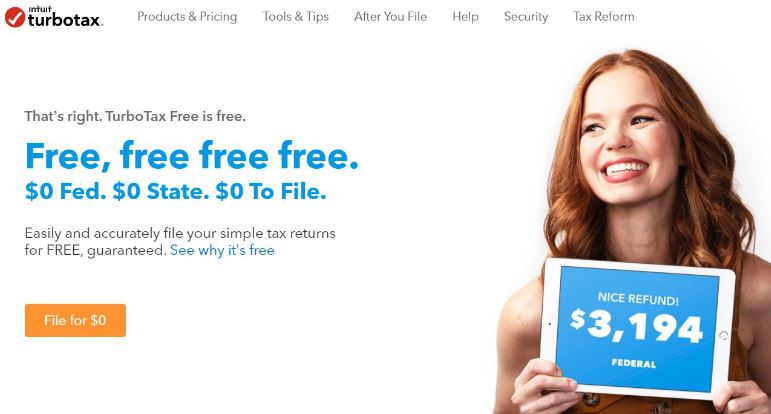
“The screen above, shown to consumers filing tax returns for TY 2018, failed to disclose adequately the limitations on eligibility for at least three reasons: a) First, the limitations on eligibility were preceded by the words “FREE, guaranteed.” Intuit employees responsible for overseeing the marketing and marketing strategy for the “freemium” version of TurboTax included “guaranteed”
It is one of those business scenarios where just putting something in the terms and conditions as an example with really tiny prints that people will most likely miss may not fully protect you. I guess here, the clarity on what is free will be the argument. I am sure making the word free is more appealing for customer acquisition, but would you be prepared to defend against it when government agencies go after you for it?